
Radio advertising across the Philadelphia market
Drive-time radio that gets to your customers in the car, planned, negotiated and produced by one team.
Plan a radio campaign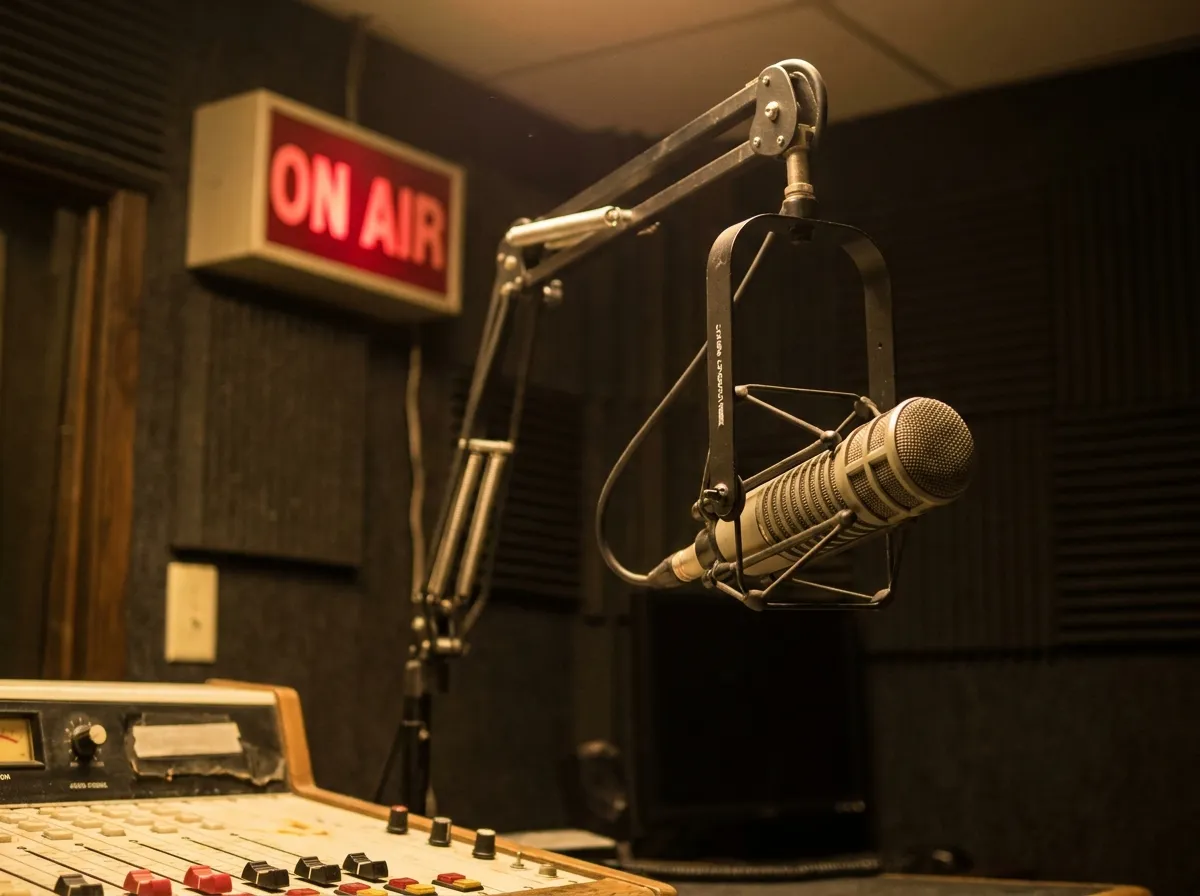
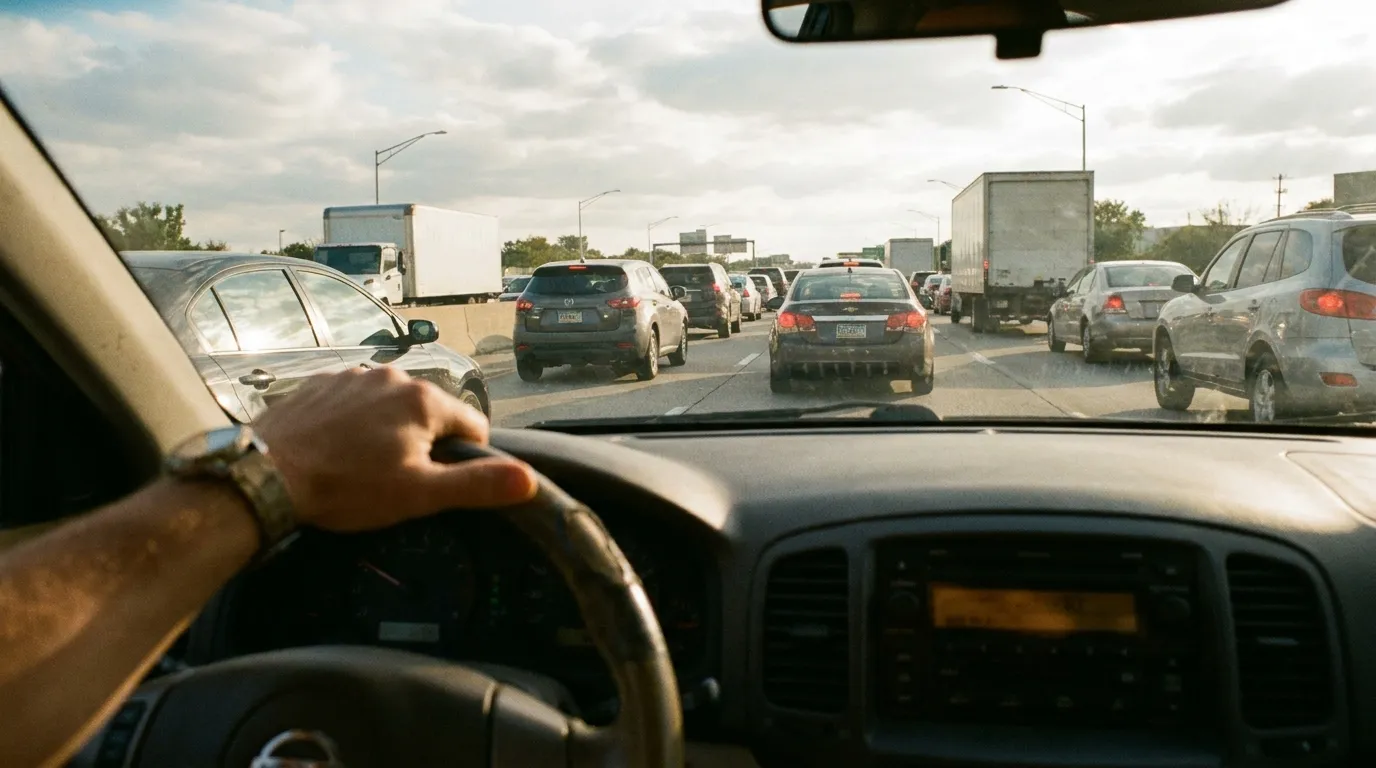
Radio finds people while they do something else: drive, work, cook, sit in traffic on I-95. That makes it a strong way to stay in mind between visits. It also makes it easy to overpay, because every station will tell you its listeners are your customers. We plan the stations, the times of day and the copy around who you need to reach, then negotiate each buy on its own, so you pay for the listeners you want.
Philadelphia is a large radio market, and the suburbs around it have their own habits. A Bucks County commuter and a South Philadelphia sports fan may both be your customer, but they do not hear the same station. We choose the ones that fit your product and make sure your spot is worth hearing. You get a schedule that reaches the commuters who drive past your store, on the stations they already have on.
The plan starts with your questions: who we’re talking to, when they’re in the car, and whether this is a one-week push or a steady presence. Our buyers have worked in broadcasting and ad sales, so they build the schedule by station and time of day and press each station for extra spots, placement and price.
We negotiate each client’s buy on its own. We do not fold your buy into a package built around another advertiser. That gives us room to argue for the times and stations that matter to you, and to walk away from the ones that do not.
We also write and produce the spot. Radio production is part of what we do, from script and voice to the final mix. Our work for Chickie’s & Pete’s includes radio spots, and Parx Casino has relied on us for media strategy and buying. After your ads run, you get a written record of what ran and when.
| Item | Value |
|---|---|
| Philadelphia | 46.0% |
| Montgomery | 64.4% |
| Bucks | 69.6% |
| Chester | 64.6% |
| Delaware | 64.4% |
| Camden, NJ | 67.6% |
How we buy it
- What we buy
- Radio spots by station and time of day, plus event promotions and sponsorships when they fit. We also write and produce the spot.
- Where it runs
- Philadelphia-market stations such as 92.5 XTU, 94WIP and 97.5 The Fanatic, community stations like WBCB 1490 AM in Levittown and WCHE in West Chester, and Spanish-language radio such as Radio Sol 1340 AM.
- How we negotiate
- We ask each station for offers on the same plan, compare them and press for placement, extra spots at no extra charge and price. We negotiate each client’s buy on its own.
- What you get back
- A written record of what aired, by station and time of day, and a plain review of what to keep or change, so you know where your budget ran.
Radio finds people in the car, so the plan starts with when and where your customers drive.
What you get
- You get in front of commuters in the car, where Bucks, Chesco and Delco drivers spend much of the day.
- You choose stations by who listens, not by who pitches hardest.
- You get a spot written and produced by the team that buys the time.
- You can time your ads to an event or launch and stop when it ends.
- You get a written record of what aired, so the next buy starts from facts.
How a campaign runs
- 1 We talk through what you are promoting, who you want to reach and how many weeks the ads should run.
- 2 We pick stations and times of day, such as morning drive or afternoon drive, and we ask each station for offers on the same plan.
- 3 We negotiate, compare the offers and recommend the mix, with the reasons for each choice.
- 4 We write and produce the spot, then book the schedule and check that each station has approved the ad to run.
- 5 We report what ran, review it with you and adjust for the next round.
What happens next
Our work for Chickie’s & Pete’s, Parx Casino and Villari Brandes & Giannone goes back more than a decade.
- 1
Tell us what you’re launching
Use the form or call 215-870-5548. A few lines is enough — what you’re promoting, where your customers are, and when it needs to run.
- 2
We talk it through
We call you back to ask about your goals and your budget. The first conversation costs nothing, and if another approach suits you better, we’ll say so.
- 3
You see the plan before anything runs
You get where your ads will run, the schedule and what it costs, in writing. Nothing is booked until you approve it, and afterwards you see where every piece ran.
Radio Advertising: common questions
Which radio stations will you buy for my business?
That depends on who you are trying to reach. Philadelphia has country, sports talk, Spanish-language, news and public radio, and the counties around it have their own community stations. We choose by audience and time of day, not by name recognition. After our first conversation you will see the stations we would ask for offers from, and why we picked them.
Is drive-time radio worth the cost for a suburban business?
For many businesses it is. Research on Bucks, Chester and Delaware counties shows commutes that run longer than the national average, and most people drive alone. That gives radio a captive audience. Whether it is worth the cost for you depends on your customer and your calendar, and we will talk through both before we recommend a schedule.
Can you write and produce the radio spot too?
Yes. Radio production is part of what we do. We can write the script, cast the voice, direct the session and mix the finished spot. If you already have a spot, we will review it against the plan first. Keeping production and buying together means the copy is built for the stations and the time of day where it will run.
How is radio different from streaming audio or podcasts?
Traditional radio gets to a broad local audience at set times, and you buy it by station and time of day. Streaming and podcast ads find listeners by platform and can be aimed more narrowly. They can work together. We focus on broadcast radio, and we will tell you plainly if a different medium suits your goal better.
How long should a radio campaign run?
It depends on the goal. An event push may need a short, heavy run of ads ahead of a date. A steady message for a restaurant or a school may run longer at a lighter level. We plan the number of weeks with you, and we build in a review point so you can stop, extend or change the copy based on what you see.
What do I get back after my radio ads run?
You get a written record of what aired, on which station and at what time, so you can check it against the plan. We sit down with you afterward to talk about what worked and what to change. We do not quote numbers we cannot support. We show you where your budget went.
Tell us what you are promoting and we will name the stations we would ask for.
Plan a radio campaign